
Sneezing Through Spring Cleaning? Your Guide to Dealing with Cleaning Allergies
Cleaning a house from top to bottom is a rewarding experience. However, for many of us, satisfaction comes at a cost: itchy eyes, runny nose, excessive sneezing, and even asthma flare-ups. If you find yourself reaching for a tissue instead of celebrating your clean home, you most likely have cleaning allergies.
What's with the horrible irony? The act of cleaning itself can unleash a slew of allergies, and the cleaning materials themselves can be the source. But don't put up your rubber gloves just yet! With a few sensible tactics, you may get rid of the filth without causing sinus problems.
First, identify the adversary: what's generating your reaction?
Cleaning allergies are generally triggered by two reasons.
1. Allergens You are upsetting: Dusting, sweeping, or vacuuming stirs up particles that had been peacefully resting on surfaces. This comprises:
- Dust Mites: Tiny creatures that reside in clothing, mattresses, and carpets.
- Pet dander is the tiny skin flakes that your dogs shed.
- Mold spores are found in wet areas such as bathrooms and basements.
- Pollen tracked in from the outside on shoes and clothing.
2. Many traditional cleaners include harsh chemicals that might irritate your respiratory system, skin, or eyes. Typical irritants include:
- Glass cleaners include ammonia.
- Chlorine bleach-based disinfectants.
- Fragrances may be found almost anywhere.
- VOCs are organic compounds that evaporate into the atmosphere.
Your Action Plan For An Allergy-Friendly Clean
Are you ready to clean smarter instead of harder? Follow these methods to reduce your symptoms.
1. Prepare for Protection.
Think of it as allergy-fighting armor.
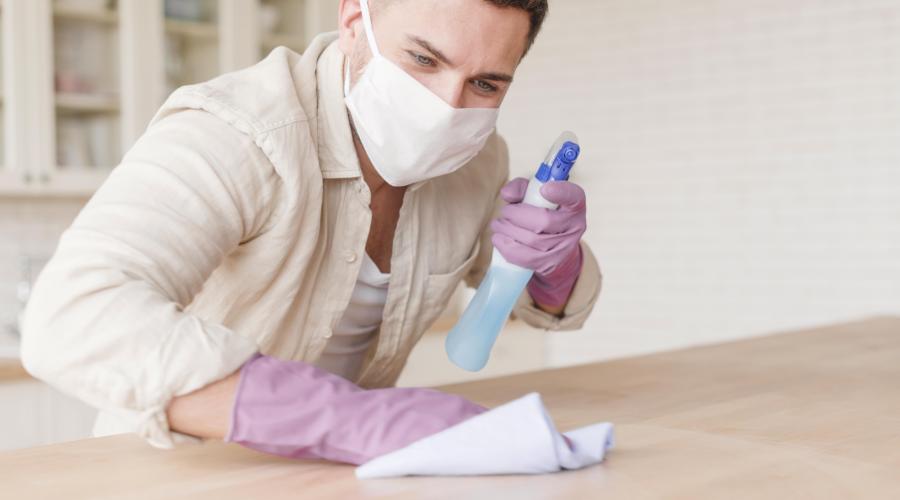
- Wear a Mask: A basic NIOSH-rated N95 mask can effectively filter out dust, allergens, and chemical vapors. It is the single most critical ingredient for avoiding sneezing episodes.
- Wear gloves to protect your skin from direct touch with cleansers, which can trigger contact dermatitis and eczema flare ups.
- Open the windows! This is not negotiable. Maximize ventilation so that allergies and chemical vapors may exit your home.
2. Choose Your Weapons Wisely: Rethink Your Cleaners
You don’t need a cabinet full of harsh chemicals to have a clean home.
- Go Fragrance-Free: Opt for "free and clear" or "fragrance-free" versions of detergents and cleaners. “Unscented” can sometimes contain masking fragrances, so check the label carefully.
- Embrace Natural Powerhouses:
- Vinegar: A fantastic disinfectant and deodorizer for countertops and glass.
- Baking Soda: A gentle but effective abrasive for scrubbing sinks and tubs.
- Castile Soap: A plant-based soap that can be diluted for all-purpose cleaning.
- Look for Certified Safer Products: Seek out brands with certifications like Safer Choice (EPA) or EWG Verified, which indicate the product is made with safer ingredients for human and environmental health.
3. Adopt Smarter Cleaning Techniques
- Dust First, Vacuum Last: Always start by dusting surfaces with a damp microfiber cloth (which traps dust instead of sending it into the air). Then, vacuum at the end to capture any dust that has settled on the floor.
- Upgrade Your Vacuum: A vacuum with a HEPA (High-Efficiency Particulate Air) filter is a game-changer. It traps tiny allergen particles inside the vacuum instead of blowing them back out into the room.
- Steam Clean When Possible: Steam mops and handheld steam cleaners use high-temperature vapor to clean and sanitize floors, upholstery, and tiles without any chemicals at all.
- Avoid Aerosol Sprays: Sprays create a fine mist of chemicals that is easily inhaled. Choose pump sprays or simply apply your cleaner directly to your cloth instead of the surface.
4. Create an Ongoing Defense Strategy
A consistently clean home has fewer allergens to stir up in the first place.
- Wash Bedding Weekly: Use hot water (at least 130°F or 54°C) to kill dust mites.
- De-clutter: Fewer knick-knacks mean fewer dust-collecting surfaces.
- Control Humidity: Use a dehumidifier to keep humidity below 50% to discourage dust mites and mold growth.
- Implement a "No Shoes" Policy: This dramatically reduces the amount of pollen, dirt, and other outdoor allergens tracked inside.
Listen to Your Body
If you start feeling symptoms coming on, take a break. Step outside for some fresh air, drink a glass of water, and don’t push yourself. Cleaning is meant to improve your wellbeing, not compromise it.
By making a few simple changes to your routine and products, you can reclaim the joy of a clean home—and breathe easily while you do it.