
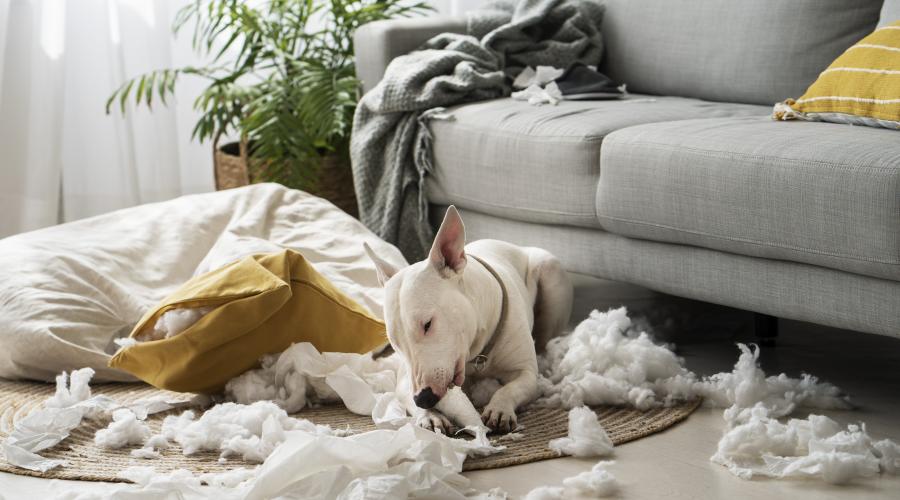
How to Deal with Cleaning Pet Stains
Let us be honest. If you live with a furry buddy, you've experienced the heartbreaking moment when you find a pet stain on your favorite carpet, brand-new sofa, or hardwood floors. Whether it's a puppy potty training disaster, a senior pet with health difficulties, or a stressed-out cat claiming territory, pet stains and odors are an unavoidable aspect of pet ownership.
But there's good news: coping with them does not have to be a nightmare. With the appropriate procedure, you may easily erase the stain, eradicate the stench permanently, and even deter future performances. This thorough guide will help you tackle pet messes with confidence while keeping your house fresh and tidy.
Why Quick Action is Your #1 Weapon
Before we dive into the how, let’s talk about the when. The single most important rule for cleaning pet stains is ACT FAST. Here’s why:
- Surface-Level Cleanup: Fresh stains are mostly on the surface, making them easier to blot up.
- Preventing Set-In Stains: Urine, in particular, can permanently dye fibers if it sits too long.
- Odor Elimination: The real culprit behind persistent pet urine odor is uric acid crystals. Once the stain dries, these crystals remain dormant in your padding and fibers. Every time humidity rises, they reactivate, releasing that familiar smell. Quick cleaning prevents them from forming a stronghold.
Your Step-by-Step Battle Plan for Any Stain
Follow this universal process for the best chance of complete pet accident cleanup. Remember: NEVER USE AMMONIA-BASED CLEANERS (it smells like urine to pets and can encourage remarking) or vigorously scrub a stain (it pushes it deeper).
Step 1: Blot, Don’t Rub!
Immediately use a stack of paper towels or a clean, absorbent white cloth to gently press down on the stain. Apply as much pressure as you can to soak up the liquid. Work from the outside of the stain inward to prevent spreading. Repeat with fresh towels until no more moisture transfers.
Step 2: Rinse (to remove non-urine stains)
After blotting, make a solution of cold water and a little drop of mild dish soap. Apply the solution on a clean cloth and gently dab the area. To remove any soap residue, dab with a towel soaked with plain water.
Step 3: Use Your Secret Weapon: An Enzymatic Cleaner
This is not negotiable for urine, feces, or vomit stains. Enzymatic cleansers are biological solutions that contain living bacteria that consume organic debris and microorganisms that cause odors. They degrade uric acid crystals, removing the source of the odor rather than disguising it.
- How to apply it: Saturate the discolored area completely, extending beyond the apparent location, as urine frequently soaks deeper and broader. Follow the product's directions exactly, especially the dwell time (often 10-15 minutes).
- Keywords to check for include best pet stain remover, enzymatic cleaner for pet pee, and odor-removing cleaner.
Step 4: Let it breathe.
After the enzymatic cleanser has finished its work, wipe away any excess moisture. Then, allow the area to air dry fully. Avoid using heat (such as a hair dryer) to speed up the process since it might bake any leftover residues.
Conquering Specific Surfaces: Carpets, Upholstery & Hardwood
Different surfaces require slight tweaks to our master plan.
For Carpet & Rugs:
- After applying the enzymatic cleaner, you can place a clean towel over the spot and weigh it down with a heavy book to pull more moisture from the pad.
- For old, set-in pet stains on carpet, you may need to reapply the enzymatic cleaner several times or consider a professional carpet cleaner with pet-specific solutions.
For Upholstery & Couches:
- Always check the manufacturer’s cleaning code first (usually found on a tag: W, S, WS, or X).
- Use the blotting method even more diligently, as upholstery padding is a sponge. A wet/dry vacuum can be incredibly helpful for sofa stain removal.
- Test any cleaner on a hidden area first.
For Hardwood & Laminate Floors:
- Speed is critical here to prevent warping and damage. Blot liquid immediately.
- For fresh accidents, a damp cloth with a hardwood floor cleaner is often sufficient after blotting.
- For dried urine stains that have potentially penetrated the sealant, you may need to use a specialized hardwood floor enzymatic cleaner. Avoid excessive water.
Techniques for Eliminating Odors Permanently
You've cleansed the stain, but what if the pet odor isn't completely removed? The lingering stench indicates that there is still work to be done.
- Re-treat with Enzymes: Often, a single treatment is insufficient for an old stain. Soak the area again.
- To find hidden stains, use your nose or a black light flashlight (UV light). Turn off all lights and gently search the room for old pee stains that will shine. Mark them with painter's tape.
- Baking soda is your friend: For general odor absorption on dry carpets or upholstery, sprinkle freely, allow it to soak for several hours (or overnight), and then vacuum well.
- Vinegar Solution Caution: A 50/50 mixture of white vinegar and water can neutralize certain scents and is suitable for some surfaces. However, never use it before an enzymatic cleaning since vinegar might deactivate enzymes. Use it as a last rinse once the enzymatic treatment has completely dried.
Preventing Future Accidents: More Than Just Cleaning
Effective pet stain remedies focus on management rather than response.
- Thorough Veterinary Examination: Sudden increases in accidents may indicate a urinary tract infection (UTI), renal problems, or diabetes. Before proceeding, rule out any medical reasons.
- Reinforce Potty Training: Return to the basics with frequent restroom breaks, positive reinforcement, and a consistent schedule.
- Address Anxiety: Stress-related markings are widespread. Create secure environments, try relaxing aids (such as pheromone diffusers), and make sure your pet receives adequate mental and physical activity.
- Deep Clean the Scene: Even if an area smells "neutral" to you, your pet may still associate it with a restroom. Finally, use an enzymatic cleaning to remove any biological signs.
- Make the Area Unappealing: After cleaning, lay a food dish, bed, or aluminum foil over a previously soiled area to discourage reuse.
Your Pet Stain Cleaning Toolkit Must-Haves
To make home cleaning with pets easier, assemble this arsenal:
- White Cloths/Paper Towels: For blotting without transferring dyes.
- Plastic Gloves: For hygiene.
- Enzymatic Cleaner: The MVP of pet accident solutions (e.g., Nature’s Miracle, Rocco & Roxie, Simple Solution).
- Carpet Cleaner/Upholstery Attachment: For deeper cleans.
- Wet/Dry Vacuum: Excellent for pulling liquid from upholstery or large carpet areas.
- Black Light Flashlight: For detective work on old stains.
- Baking Soda: For general odor absorption.
When to Call in the Pros: Professional Pet Stain Removal
Sometimes, DIY isn’t enough. Consider professional carpet cleaning for pet owners if:
- The stain and odor persist after multiple enzymatic treatments.
- The accident has reached the subfloor.
- You’re dealing with a very large area or many old, set-in stains.
- You’re preparing to sell your home and need guaranteed odor removal.
Look for cleaners who specifically advertise professional pet stain and odor removal and use truck-mounted or certified methods.
Dealing with pet stains is simply part of the journey of loving an animal. By acting quickly, using the right tools (especially those magical enzymatic cleaners), and understanding the why behind the accident, you can win the battle against stains and odors. Here’s to a cleaner, fresher, and happier home for both you and your four-legged family member!